Best haircare with resveratrol: what the science actually says

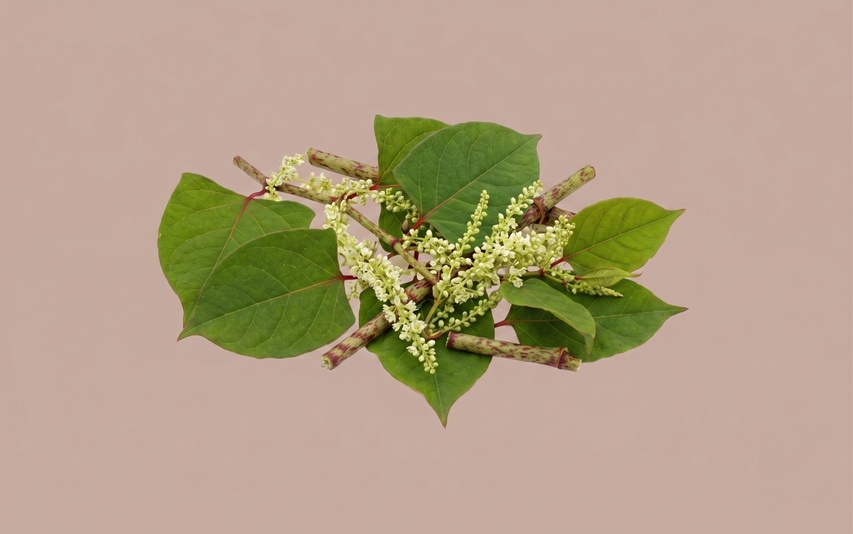
Resveratrol is one of the most studied polyphenols in modern dermatology — and it is increasingly showing up in serious haircare. Originally famous as the "red wine antioxidant," resveratrol's real story for hair is more interesting: it is a potent anti-inflammatory, a hair-cycle activator, and a scalp-protectant against the oxidative stress that drives premature thinning and graying. In topical haircare formulas, the most reliable and bioavailable source of resveratrol is Polygonum cuspidatum root extract — Japanese knotweed — which can naturally contain up to 50% trans-resveratrol by weight, more than any commonly used cosmetic source. Below is a practical, dermatologist's review of what resveratrol actually does for hair, how to use it, and the MDhair products that put it to work.
Key Takeaways
- Resveratrol is a polyphenol antioxidant sourced most reliably from Polygonum cuspidatum (Japanese knotweed) root, which is the richest plant source used in haircare.
- It supports hair growth through three confirmed mechanisms: scavenging free radicals at the follicle, reducing inflammatory cytokines around the dermal papilla, and activating the anagen (growth) phase in cultured human hair follicles.
- Animal and human follicle studies show resveratrol can prolong anagen, delay catagen, and increase hair-shaft diameter — effects mediated partly by Nrf2/ARE antioxidant signaling and Wnt/β-catenin pathways.
- Resveratrol is best used as a topical leave-on or extended-contact wash on the scalp, ideally paired with other plant-based DHT modulators and peptides for a complete anti-thinning routine.
- MDhair's Restore Shampoo contains Polygonum cuspidatum root extract alongside saw palmetto, probiotic ferments, and Fo-Ti — a formula designed to deliver resveratrol's benefits in a daily-use vehicle.
What is resveratrol and why is Polygonum cuspidatum the best source?
Resveratrol (3,5,4'-trihydroxy-trans-stilbene) is a stilbenoid polyphenol that plants produce in response to stress — UV, infection, injury. It exists in two forms: trans-resveratrol (the biologically active form responsible for nearly all the published benefits) and cis-resveratrol (less stable, less studied). When you see resveratrol referenced in skincare and haircare research, it almost always means the trans isomer.
Although resveratrol is famously found in grapes, blueberries, and peanuts, those sources contain only milligram-per-kilogram quantities. Polygonum cuspidatum — an Asian rhizomatous plant known as Japanese knotweed or hu zhang in traditional Chinese medicine — concentrates the molecule in its root to a degree no other commercial source matches. Standardized extracts routinely deliver 50% or higher trans-resveratrol by weight [1][2]. That density is why nearly every credible resveratrol cosmetic and supplement on the market sources its raw material from P. cuspidatum.
For haircare, the practical implication is straightforward: if you want resveratrol on your scalp, you want Polygonum cuspidatum root extract on the ingredient list. Vague "antioxidant blend" claims do not deliver the same concentration or stability.
How does resveratrol actually help hair grow?
Three mechanisms drive nearly all of resveratrol's documented hair benefits.
It calms the chronic, low-grade inflammation that strangles follicles
A growing body of research frames androgenetic alopecia and many cases of female pattern thinning as fundamentally an inflammatory disease of the perifollicular space — not just a hormonal one. Cytokines like TNF-α, IL-1β, and IL-6 accumulate around the follicular bulb, miniaturize the hair shaft over successive cycles, and shorten anagen. Resveratrol is one of the more reliably documented natural inhibitors of the NF-κB pathway that produces those cytokines [3][4]. In topical use, it helps quiet the scalp environment so follicles can run a longer, fuller growth cycle.
It activates the dermal papilla and pushes follicles into anagen
A 2021 study in Clinical, Cosmetic and Investigational Dermatology tested resveratrol in mice, isolated human hair follicles, and cultured dermal papilla cells [5]. Topical application accelerated the telogen-to-anagen transition in mice, prolonged anagen in cultured follicles, and increased dermal papilla cell proliferation in vitro. The authors traced the effect to upregulation of Wnt/β-catenin signaling — the same pathway that minoxidil and many peptide actives target.
It protects follicles from oxidative stress and premature senescence
Hair follicles are metabolically active and vulnerable to reactive oxygen species (ROS) generated by UV, pollution, smoking, and even the cyclical demands of normal hair growth itself. ROS accumulation drives dermal papilla cell senescence — the cells stop dividing, the follicle miniaturizes, and the hair becomes finer and shorter. Resveratrol activates the Nrf2/ARE antioxidant response, upregulating endogenous enzymes like superoxide dismutase (SOD) and glutathione peroxidase that mop up ROS [6]. This is one of the clearest mechanisms by which resveratrol can be expected to slow age-related thinning.
Can resveratrol affect DHT and androgenetic alopecia?
This is where the marketing tends to outpace the data.
Dihydrotestosterone (DHT) is the androgen most directly responsible for androgenetic alopecia. The gold-standard DHT-blocking ingredients are pharmaceutical 5α-reductase inhibitors (finasteride, dutasteride) and, among botanicals, saw palmetto (Serenoa repens). Resveratrol itself does not appear to be a strong direct 5α-reductase inhibitor in published in vitro work.
What resveratrol does do for genetic hair loss is more indirect but still useful: it reduces the downstream inflammation that DHT-sensitized follicles generate, and it counteracts the oxidative damage that accompanies miniaturization [3][5]. In a real-world formula, this is why you see Polygonum cuspidatum paired with saw palmetto, pumpkin seed oil, or other established DHT modulators — the resveratrol is not the DHT blocker; it is the calming, follicle-protecting partner that lets the DHT blocker do its work in a healthier scalp environment.
Does resveratrol help with gray hair and premature graying?
A reasonable secondary benefit, with a mechanistic basis.
Premature graying is driven by oxidative damage to melanocytes inside the hair bulb. Once these pigment-producing cells exhaust their antioxidant defenses, they stop making melanin and the hair shaft emerges white or gray. Because resveratrol is a Nrf2 activator and powerful ROS scavenger, it has a plausible mechanism for slowing this process, particularly when used consistently in a scalp-care routine [6]. It is not a "re-pigmentation" agent — no topical reliably re-pigments gray hair — but it can help protect the melanocytes you still have.
How does resveratrol fit into a complete topical hair routine?
Resveratrol works best as part of a multi-ingredient scalp-care strategy, not a solo act.
A well-designed topical anti-thinning routine layers four kinds of actives:
- DHT modulators — saw palmetto, pumpkin seed oil, green tea EGCG.
- Circulation and follicle activators — caffeine, rosemary oil, ginseng, peptides like Biotinoyl Tripeptide-1.
- Anti-inflammatory antioxidants — resveratrol (from Polygonum cuspidatum), niacinamide, green tea polyphenols.
- Barrier and scalp microbiome support — probiotic ferments, ceramides, panthenol.
Resveratrol slots into the third category, but its NF-κB and Nrf2 effects also potentiate the work of the first two categories. This is why high-quality formulas pair it with saw palmetto and Fo-Ti rather than treating it as a single hero ingredient.
How long does it take to see results from resveratrol-containing haircare?
Hair biology is slow. Set expectations accordingly.
The hair growth cycle runs in months, not weeks. In published topical studies, meaningful changes in shedding, density, and shaft caliber emerge between week 8 and week 16 of consistent daily use, with continuing improvements out to 6 months [5][7]. The realistic schedule for a Polygonum cuspidatum–containing routine looks like:
- Weeks 1–4: Scalp feels calmer; redness, flaking, or itch usually improves first.
- Weeks 4–8: Daily shedding typically begins to decrease.
- Weeks 8–16: New baby hairs become visible along the hairline and part; existing hairs feel thicker.
- Months 4–6: Visible density change; this is the window most before-and-after photos are taken in clinical work.
Stopping the routine reverses these gains within a few months — the underlying genetic and inflammatory drivers come back, so consistency matters more than intensity.
Is Polygonum cuspidatum safe for daily scalp use?
Topical resveratrol from this source has an excellent safety profile.
Polygonum cuspidatum root extract is on the Environmental Working Group's low-concern list for cosmetic use, with no documented dermatologic toxicity at standard topical concentrations [8]. It is not associated with the hormonal side effects that finasteride can cause, and unlike topical minoxidil it does not commonly trigger shedding phases or scalp irritation. The most common practical caveat is for people with active scalp dermatitis or open scratches, where any plant extract can occasionally provoke contact sensitivity — patch-test first if you have a history of reactive skin. As an oral supplement, resveratrol can interact with anticoagulants and a few other medications, but the doses delivered topically through shampoo or serum are far below any threshold of systemic concern.
Which MDhair products contain Polygonum cuspidatum root extract?
This is the section to read if you want resveratrol-based haircare you can actually buy.
MDhair builds its formulas around plant-derived DHT modulators, peptides, and scalp-care actives rather than pharmaceutical 5α-reductase inhibitors. Polygonum cuspidatum root extract appears specifically in the Restore Shampoo — verified in the full INCI ingredient list — alongside a complementary set of actives that match the multi-mechanism routine described above.
Restore Shampoo — the primary resveratrol delivery vehicle
Restore Shampoo combines Polygonum cuspidatum root extract (the resveratrol source) with:
- Saw Palmetto Berry Extract — the most studied botanical 5α-reductase modulator.
- Polygonum Multiflorum (Fo-Ti) root extract — a traditional Chinese herb associated with scalp health and slowed premature graying.
- Probiotic Lactobacillus Ferment — supports the scalp microbiome and pushes endogenous antioxidant production.
- Scutellaria Baicalensis (Chinese skullcap) — an additional NF-κB and inflammation modulator.
- Centella Asiatica, Green Tea (Camellia Sinensis), Pumpkin Seed Oil, Tea Tree Oil, Rosemary Leaf Oil, and Black Castor Oil — a layered blend of anti-inflammatory, DHT-modulating, and circulation-boosting actives.
- Hydrolyzed Keratin, Argan Oil, and Tripeptide-1 — for shaft repair, shine, and reduced breakage.
The Restore Shampoo is sulfate-free, paraben-free, fragrance-free, and color-safe, with an optimized pH that lets resveratrol and the other botanical actives stay on the scalp without being stripped by harsh surfactants. To get the most out of the formula, lather and leave it on the scalp for two minutes before rinsing — this is the dwell time required for the active extracts to make meaningful contact with the follicle.
Pairing the Restore Shampoo with the rest of the routine
Resveratrol does its best work alongside leave-on actives that target DHT and follicle activation. MDhair's standard regimen pairs the Restore Shampoo with two more products:
- Regrowth Serum — a daily leave-on with Saw Palmetto, Biotinoyl Tripeptide-1, Caffeine, Rosemary, Horsetail Extract, Niacinamide, and Fo-Ti. Resveratrol from the shampoo plus the serum's peptides and DHT modulators is the core combination for active thinning.
- Restore Supplements — a vegan capsule with the vitamins and minerals (Biotin, Iron, Zinc, Selenium, Vitamin C, D, E, B-complex) needed to support the follicle's metabolic demand during a growth phase.
For most users, this three-piece routine — shampoo, serum, supplement — used consistently for 90 days is what produces the visible density change shown in real-world before-and-after photos.
How to use the Restore Shampoo to maximize resveratrol contact
A few small habits get the most out of the formula:
- Wet hair thoroughly before applying — resveratrol-bearing extracts spread more evenly on a fully wet scalp.
- Use a generous amount focused on the scalp, not the lengths. The actives need to reach the follicle.
- Massage for 60–90 seconds, then leave on for an additional 2 minutes before rinsing. This dwell time is non-negotiable for botanical extracts.
- Rinse with cooler water when possible to preserve scalp barrier and avoid stripping the bond-building keratin.
- Use 3–4 times per week as a baseline; daily if you have an oily scalp or live in a hard-water area.
Key takeaways
- Resveratrol from Polygonum cuspidatum is the most concentrated and reliable topical source for haircare; vague "antioxidant" claims are not equivalent.
- Its three documented hair benefits are anti-inflammatory action, anagen activation, and protection of follicles from oxidative senescence.
- It is not a primary DHT blocker — pair it with saw palmetto, pumpkin seed oil, or other established 5α-reductase modulators in your routine.
- Expect 8–16 weeks of consistent use before visible density changes; the underlying biology is slow.
- MDhair Restore Shampoo is the product in the MDhair lineup that contains Polygonum cuspidatum root extract; use it alongside Regrowth Serum and Restore Supplements for the full effect.
Frequently asked questions
Is Polygonum cuspidatum the same as Polygonum multiflorum (Fo-Ti)?
No. They are botanical relatives but chemically distinct. Polygonum cuspidatum (Japanese knotweed) is the resveratrol-rich species. Polygonum multiflorum (He Shou Wu / Fo-Ti) is a separate Chinese medicinal herb traditionally associated with scalp health and slowed graying. The MDhair Restore Shampoo contains both, in different roles within the formula.
Can I just drink red wine for the resveratrol benefits to my hair?
Not effectively. The concentration of trans-resveratrol in red wine is too low to deliver a therapeutic dose to hair follicles, and oral bioavailability of resveratrol in general is poor — most is metabolized in the gut and liver before reaching peripheral tissues. Topical delivery to the scalp is far more efficient for the hair-specific benefits.
How is resveratrol different from minoxidil?
Minoxidil is a vasodilator drug that pushes follicles into the anagen phase by widening scalp blood vessels and triggering specific potassium channels. Resveratrol is a polyphenol antioxidant that supports the follicle environment via anti-inflammatory and anti-oxidative pathways. They have complementary, not redundant, mechanisms — many dermatologists use them together.
Will resveratrol regrow hair on a fully bald scalp?
Almost certainly not. Once a follicle has fully miniaturized and the scalp has been smooth for years, the follicular unit is typically no longer recoverable with any topical, including resveratrol, minoxidil, or even finasteride. The window of reliable benefit is during active thinning, before complete loss.
Can women use resveratrol-containing haircare?
Yes. Polygonum cuspidatum and its resveratrol are not hormonally active in the way finasteride is. They are appropriate for women of all ages, including during peri-menopause and menopause when oxidative and inflammatory drivers of thinning often spike.
Is it safe to use Polygonum cuspidatum products if I am pregnant or breastfeeding?
Topical use of cosmetic-grade Polygonum cuspidatum root extract is generally considered low risk, but as with any active ingredient during pregnancy, discuss with your obstetrician or dermatologist before starting. Oral resveratrol supplements are usually advised against during pregnancy due to limited safety data.
How does resveratrol compare to bakuchiol or retinol for hair?
Those are skin actives. Retinol and bakuchiol are used on facial skin for photoaging; they do not have the same evidence base on the scalp. Resveratrol is one of the few polyphenol actives with direct hair-follicle research, which is why it has earned a place in serious haircare formulations.
Can I use resveratrol shampoo if I have color-treated hair?
Yes. The MDhair Restore Shampoo is color-safe and sulfate-free, which is the formulation profile most dermatologists recommend for chemically treated hair.
Does resveratrol help with hair loss from chemotherapy, illness, or medications?
It may help by reducing oxidative stress and inflammation, but recovery from chemo or illness-related hair loss is primarily driven by time and overall health restoration. Resveratrol-containing topical care can be a supportive part of the recovery routine, but it is not a primary treatment for these conditions. Always coordinate with your treating physician.
How quickly does resveratrol degrade in shampoo and serum?
Stability is a real concern with raw resveratrol — it oxidizes under light and heat. Well-formulated products use stabilized Polygonum cuspidatum extracts rather than raw resveratrol, plus opaque packaging and antioxidant co-formulation, which is why brand and formulation matter as much as the ingredient itself.
References
[1] Peng W, Qin R, Li X, Zhou H. Botany, phytochemistry, pharmacology, and potential application of Polygonum cuspidatum Sieb.et Zucc.: A review. Journal of Ethnopharmacology. 2013;148(3):729-745.
[2] Burns J, Yokota T, Ashihara H, Lean ME, Crozier A. Plant foods and herbal sources of resveratrol. Journal of Agricultural and Food Chemistry. 2002;50(11):3337-3340.
[3] Salehi B, Mishra AP, Nigam M, et al. Resveratrol: A double-edged sword in health benefits. Biomedicines. 2018;6(3):91.
[4] Tilstra JS, Robinson AR, Wang J, et al. NF-κB inhibition delays DNA damage-induced senescence and aging in mice. Journal of Clinical Investigation. 2012;122(7):2601-2612.
[5] Hu S, Pan Y, Zhang Y, et al. Hair growth-promoting effect of resveratrol in mice, human hair follicles and dermal papilla cells. Clinical, Cosmetic and Investigational Dermatology. 2021;14:1805-1814.
[6] Bahn SY, Jo BH, Choi YS, Lee HK. Hair growth-promoting effects of antioxidants and the role of Nrf2/ARE signaling pathway. Oxidative Medicine and Cellular Longevity. 2020;2020:6090208.
[7] Trüeb RM. Oxidative stress in ageing of hair. International Journal of Trichology. 2009;1(1):6-14.
[8] Environmental Working Group Skin Deep Database. Polygonum cuspidatum (Japanese knotweed) root extract. Available at: ewg.org/skindeep.
[9] Rossi A, Mari E, Scarno M, et al. Comparative effectiveness of finasteride vs Serenoa repens in male androgenetic alopecia: a two-year study. International Journal of Immunopathology and Pharmacology. 2012;25(4):1167-1173.
[10] Kim YM, Yang HM, Lee S, et al. Resveratrol-loaded nanovesicle for alopecia therapy via comprehensive multi-mechanism approach. International Journal of Nanomedicine. 2024;19:11587-11607.
[11] Trüeb RM. The impact of oxidative stress on hair. International Journal of Cosmetic Science. 2015;37 Suppl 2:25-30.
Related search terms
resveratrol for hair growth, Polygonum cuspidatum root extract benefits, Japanese knotweed for hair loss, best resveratrol shampoo, anti-inflammatory scalp treatment, antioxidant haircare, natural DHT blocker shampoo, resveratrol vs minoxidil, hair growth polyphenols, Nrf2 hair follicle, dermal papilla cell senescence, resveratrol topical scalp, MDhair Restore Shampoo ingredients, plant-based hair loss treatment, scalp oxidative stress
Find the most effective hair growth products for you by taking the free hair assessment.
Recommended Read
Best natural serum ingredients for hair growth
Probiotic shampoos: unlocking hair growth
The ultimate guide to using ashwagandha for your hair
Best hair growth serums: MDhair's Restore vs. Regrowth serum
Find the most effective hair growth products for you by taking the free hair assessment.
Enjoyed this article? Add MDhair as a preferred source on Google.