10 best ways to reduce male hair loss naturally

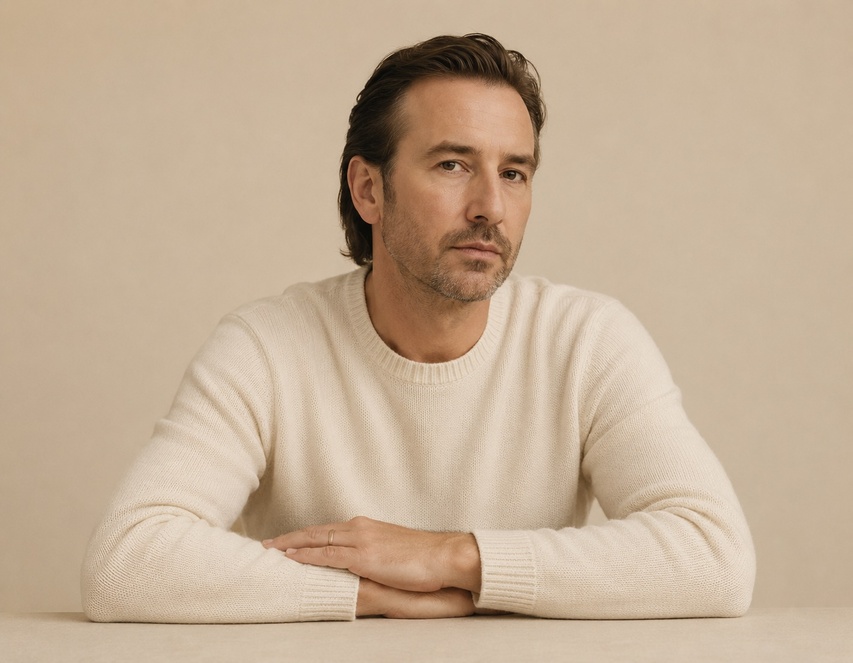
A practical guide for men in their 30s and 40s
Key Points
- Male hair loss is most commonly caused by genetics (male pattern baldness / androgenetic alopecia), elevated DHT, nutritional deficiencies, or stress — and effective natural treatment targets the specific root cause.
- DHT-blocking scalp serums, treatment shampoos, and oral supplements are the most evidence-supported natural approaches to slowing male pattern hair loss without prescription medication.
- Rosemary oil has been shown in a randomized clinical trial to be as effective as minoxidil for promoting hair growth after 6 months, with less scalp itching.
- Marine collagen peptides, filtered shower water, scalp massage, and stress management each address a distinct mechanism behind thinning — combining them amplifies the overall result.
- Natural approaches work best when started early — your 30s and 40s are the ideal window. For men with moderate-to-advanced genetic hair loss, combining natural methods with minoxidil 5% significantly improves outcomes.
Why is natural hair loss treatment important for men in their 30s and 40s?
By age 35, roughly two-thirds of men show some degree of appreciable hair loss, and by age 50 around 85% have significantly thinning hair. The 30s and 40s are when male pattern baldness typically becomes visible — a receding hairline, thinning at the crown, or a widening part. The causes are often multiple and overlapping: genetics and DHT sensitivity, nutritional gaps, and chronic stress can all contribute at the same time.
While prescription treatments like minoxidil and finasteride remain the FDA-approved gold standard for androgenetic alopecia, many men prefer to start with evidence-based natural approaches — and for early-to-moderate hair loss, these can produce meaningful, lasting results when applied consistently. The earlier you intervene, the more hair you keep.
The key is targeting the right mechanism. Natural approaches that work for stress-related shedding are different from those needed for hormonal or genetic hair loss. This guide covers 10 proven methods, what each one does, and how to integrate them into a practical daily routine.
What are the 10 most proven natural ways to reduce male hair loss?
Each approach below has clinical or evidence-based support — these are not generic wellness tips, but specific interventions with documented effects on hair follicle health.
1. Use a DHT-Blocking Scalp Serum
Dihydrotestosterone (DHT) is the primary hormonal driver of male pattern baldness — a DHT-blocking scalp serum targets this mechanism directly without the side effects of oral medications.
DHT is a potent androgen hormone derived from testosterone via the enzyme 5-alpha reductase. In genetically susceptible men, DHT binds to androgen receptors in scalp hair follicles, causing a gradual process called miniaturization — the follicle shrinks, produces progressively thinner and shorter hairs, and eventually stops producing hair altogether [1]. This is what drives the classic receding hairline and crown thinning.
Plant-based DHT blockers — including saw palmetto, pumpkin seed oil, and green tea extract — inhibit 5-alpha reductase activity at the scalp level, slowing this process without the systemic effects (including sexual side effects) that some men experience with pharmaceutical 5-alpha reductase inhibitors like finasteride. Applied directly to the scalp twice daily, a quality DHT-blocking serum also delivers scalp-stimulating, anti-inflammatory, and antioxidant ingredients that create a healthier environment for hair growth.
The MDhair Restore Serum contains plant-based DHT blockers, rosemary leaf oil, caffeine, and biomimetic peptides — a comprehensive topical formula for men with early or general thinning. For men with more established male pattern baldness, the MDhair Regrowth Serum adds a stronger concentration of DHT-blocking actives to the same foundation.
2. Switch to a DHT-Blocking Treatment Shampoo
Your shampoo touches your scalp for only a few minutes per wash — but the right formula uses those minutes to deliver active DHT-blocking and scalp-stimulating ingredients where they matter most.
Most conventional men's shampoos are formulated to cleanse the hair shaft — not to treat the scalp environment in which hair grows. A treatment shampoo designed for hair loss adds targeted actives to the cleansing step: DHT blockers (saw palmetto, pumpkin seed oil), scalp circulation stimulants (caffeine, menthol, rosemary), and anti-inflammatory compounds that calm the scalp conditions associated with accelerated follicle miniaturization.
Used 3–5 times per week, a DHT-blocking shampoo delivers cumulative benefits that add meaningfully to the effect of a scalp serum. For men whose hair loss has a dandruff or seborrheic dermatitis component — both common in men and both of which can accelerate shedding — formulas containing ketoconazole or zinc pyrithione add anti-fungal activity to the DHT-blocking base.
The MDhair Restore Shampoo is formulated for men with general thinning and scalp sensitivity. The MDhair Regrowth Shampoo is the stronger choice for men with active male pattern baldness.
3. Take DHT-Blocking and Nutrient Supplements
Oral supplements reach hair follicles from the bloodstream — the inside-out approach that topical products cannot fully replicate.
Oral supplementation addresses two distinct aspects of hair loss. First, DHT-blocking plant extracts taken internally can reduce systemic DHT levels more comprehensively than topical application alone. Second, nutritional deficiencies — zinc, vitamin D, biotin, vitamin B12, iron, and selenium — are a direct, correctable cause of hair shedding that affects many men, especially those who train hard, diet, or are under sustained stress.
Key supplement ingredients backed by clinical evidence for male hair loss:
- Saw palmetto berry extract — inhibits 5-alpha reductase, reducing DHT at the follicle level [2]
- Pygeum bark extract — reduces androgen receptor sensitivity in follicle cells
- Biotin — strengthens the hair shaft and supports follicle keratin synthesis
- Vitamin D — essential for initiating the anagen (growth) phase; deficiency is linked to increased shedding
- Zinc and selenium — essential cofactors in the enzyme systems that govern follicle health; zinc deficiency is common in active men
- Iron — supports oxygen delivery to follicles; low ferritin can worsen shedding even in men
- Ashwagandha root — an adaptogen that lowers cortisol, reducing stress-driven hair shedding
- Maitake and Reishi mushroom extracts — adaptogens that promote a healthy scalp microenvironment and reduce oxidative stress at the follicle
The MDhair Regrowth Supplements are formulated for men with genetic and age-related hair loss, combining DHT blockers with adaptogens. The MDhair Restore Supplements focus on replenishing the vitamins and minerals most commonly deficient in men with stress-related or nutritional hair loss.
4. Add Marine Collagen Peptides
Hair is made of keratin — a protein structurally related to collagen. Marine collagen provides the amino acid building blocks that follicles need to produce thicker, stronger hair strands.
Hydrolyzed marine collagen is rich in glycine, proline, and hydroxyproline — the same amino acids that form the protein matrix of the hair shaft. Clinical studies have shown that oral supplementation with specific collagen peptides improves hair thickness, reduces shedding, and strengthens the follicle's connective tissue sheath over 3–6 months of consistent use [3].
Marine collagen also supports scalp health by maintaining the integrity of the dermal matrix surrounding each follicle. When this matrix is compromised by aging, inflammation, or nutritional deficiency — all of which accelerate in your 30s and 40s — follicles produce progressively weaker hairs.
The MDhair Marine Collagen combines hydrolyzed marine collagen with hyaluronic acid and vitamin C, designed to support hair, skin, and nail health from the inside out.
5. Apply Rosemary Oil to the Scalp
Rosemary leaf oil is the most clinically supported natural topical treatment for hair loss — a randomized controlled trial found it comparable to minoxidil for hair regrowth over 6 months.
A landmark 2015 randomized double-blind trial compared rosemary oil to minoxidil in patients with androgenetic alopecia over 6 months. At the end of the trial, both groups showed similar hair count increases — with rosemary oil producing significantly less scalp itching than minoxidil [2]. Rosemary oil works by improving microcirculation in the scalp, which extends the anagen (growth) phase and delivers more oxygen and nutrients to follicle cells.
Rosemary oil is present in both MDhair serums and shampoos, but for additional targeted use, dilute 3–5 drops of rosemary essential oil in a carrier oil (jojoba or coconut) and massage directly into the scalp. Leave for 15–20 minutes before shampooing. Two to three applications per week add meaningfully to the baseline effect of your treatment routine.
6. Massage Your Scalp Daily
Scalp massage is one of the simplest and most accessible natural interventions for hair loss — and a controlled study showed it can increase hair thickness within 24 weeks.
A 2016 Japanese study found that a standardized 4-minute daily scalp massage significantly increased hair shaft thickness after 24 weeks in healthy male participants [4]. The mechanism involves mechanical stimulation of dermal papilla cells — the cells that control hair follicle activity — as well as improved scalp microcirculation and reduced DHT binding through mechanical disruption.
Apply light-to-moderate pressure with fingertips in small circular movements, covering the entire scalp (especially the crown and hairline) for 3–5 minutes daily. Morning application after applying serum amplifies ingredient penetration as well as the circulatory benefit.
7. Optimize Your Diet for Hair Growth
Nutritional deficiencies are among the most common and most correctable contributors to male hair loss — and diet changes can produce measurable improvement in shedding within 3–6 months.
Hair follicles are among the most metabolically active structures in the body. They require a constant supply of protein, iron, zinc, vitamins D and B12, omega-3 fatty acids, and antioxidants to sustain the anagen growth phase. When any of these is in chronic short supply — through aggressive cutting or bulking diets, low-quality food choices, or heavy alcohol use — follicles shift prematurely into the telogen (shedding) phase.
Foods proven to support hair growth:
- Protein-rich foods — eggs, fish, chicken, lean beef, legumes (hair is ~95% protein; inadequate intake directly weakens the hair shaft)
- Iron and zinc sources — lean red meat, oysters, lentils, pumpkin seeds (deficiency is linked to telogen effluvium)
- Omega-3 sources — salmon, sardines, walnuts, flaxseed (reduces scalp inflammation and supports follicle health)
- Vitamin D sources — fatty fish, fortified foods, sensible sun exposure or supplementation (deficiency is linked to hair loss at every age)
- Biotin sources — eggs, nuts, sweet potato (supports keratin infrastructure in the hair shaft)
Foods to limit:
- High-glycemic foods (white sugar, refined carbohydrates) — spike insulin, which can increase androgen production and DHT
- Excessive alcohol — depletes zinc, iron, and B vitamins critical for follicle health (a common factor for men)
- Ultra-processed foods — low in micronutrients and high in inflammatory compounds that accelerate follicle miniaturization
8. Manage Cortisol and Chronic Stress
High cortisol is one of the most overlooked drivers of hair loss in working-age men — and it directly disrupts the hair growth cycle at the follicular level.
Under chronic stress — demanding careers, poor sleep, financial or family pressure — elevated cortisol causes hair follicles to shift prematurely from the anagen (growth) phase into the telogen (resting) phase. The result, typically appearing 6–8 weeks after the stressful period, is increased shedding across the whole scalp, a condition called telogen effluvium.
What is less well understood is that chronically elevated cortisol can persist for months or years, creating ongoing low-grade telogen effluvium that is often mistaken for male pattern baldness. Men with both androgenetic alopecia and chronic stress experience significantly accelerated thinning compared to those with genetics alone.
Evidence-based stress reduction strategies relevant to hair loss:
- Consistent aerobic and resistance exercise (3–5 sessions per week) — reduces cortisol and improves scalp microcirculation
- Adequate sleep (7–9 hours) — the growth hormone released during deep sleep directly stimulates follicle activity
- Ashwagandha supplementation — reduces cortisol levels by up to 28% in randomized controlled trials
- Mindfulness and breathing practice — activates the parasympathetic nervous system, counteracting the cortisol response
Ashwagandha is included in both MDhair supplement formulas specifically for its cortisol-reducing and adaptogenic properties.
9. Filter Your Shower Water
Chlorine, heavy metals, and hard water minerals in unfiltered tap water disrupt the scalp's microbiome, strip natural oils, and have been linked to increased hair fragility and accelerated shedding.
Municipal tap water contains chlorine and chloramines — disinfectants that oxidize the cuticle layer of the hair shaft, weaken the cortex, and disrupt the scalp barrier. Hard water minerals (calcium and magnesium carbonates) deposit on the hair shaft and scalp, creating buildup that blocks follicle openings and contributes to inflammation. Hard water exposure has been associated with reduced hair shaft strength and increased breakage.
A certified shower filter that removes chlorine, heavy metals, and limescale protects both the hair shaft and the scalp environment — the clean-water foundation that every other hair loss treatment depends on. The MDhair Filtered Showerhead filters chlorine, heavy metals, and hard water minerals in a single unit, protecting the scalp and hair on every wash.
10. Avoid Heat, Harsh Products, and Mechanical Damage
Mechanical, thermal, and chemical damage are preventable contributors to hair loss — including traction at the hairline and brittle, breakage-prone strands.
Traction alopecia develops when consistent tension on the roots — from tight man-buns, cornrows, or hair systems and extensions — causes progressive follicle damage at the hairline and temples. If caught early and the tension is removed, follicles recover; if it continues, the damage becomes permanent.
Heat damage from blow dryers and styling tools above 180°C (356°F) breaks the disulfide bonds in the hair cortex, weakening the shaft. Harsh chemical treatments such as bleaching or relaxing penetrate the cortex and permanently alter the hair's structural proteins, leaving it fragile and prone to breakage.
Practical protective habits:
- Use loose styles that distribute tension evenly — avoid tight, repetitive pulling at the same points
- Apply heat tools at the lowest effective temperature with a quality heat protectant
- Allow at least 8–12 weeks between any chemical processes
Use a peptide bond repair oil and a quality conditioner consistently to reinforce the hair shaft between washes.
What is the best combination of natural treatments for male hair loss?
The most effective approach combines a DHT-blocking scalp treatment with nutritional support and scalp health habits — working from multiple angles at once.
Recommended daily routine:
- Morning: Apply Restore Serum or Regrowth Serum to the scalp + scalp massage 3–5 minutes
- Washing days (3–5×/week): Treatment shampoo + conditioner through filtered water
- Daily supplements: Regrowth or Restore Supplements + Marine Collagen
- Weekly: Rosemary oil scalp treatment (2–3×)
FAQs
Q. Can male hair loss be reversed naturally?
A. It depends on the cause. Hair loss from nutritional deficiencies, stress (telogen effluvium), traction, and early-stage male pattern baldness can often be significantly reduced or reversed with the right natural interventions — which is why starting in your 30s and 40s matters. Advanced genetic hair loss, where follicles have permanently miniaturized, is harder to reverse naturally, though natural treatments can slow further progression and improve the quality of remaining hair.
Q. How long does natural hair loss treatment take to show results?
A. Most natural treatments require 3–6 months of consistent use before visible results appear. Hair follicle cycles are measured in months, not weeks — reduced shedding is typically noticed first (around 6–8 weeks), followed by improved thickness and new growth (3–6 months).
Q. Is DHT the main cause of male hair loss?
A. Yes — DHT is the primary driver of male pattern baldness (androgenetic alopecia), which accounts for the large majority of cases in men. However, telogen effluvium from stress or illness, nutritional deficiencies, and thyroid disorders are also common, distinct causes that require different treatment approaches.
Q. Can diet alone stop hair loss?
A. For hair loss caused primarily by nutritional deficiency — low iron or vitamin D, aggressive dieting — dietary optimization can produce significant improvement. For genetic hair loss, diet improves the scalp environment and the quality of hair produced, but does not block the hormonal mechanisms driving follicle miniaturization. A complete approach combines diet with topical DHT-blocking treatments and targeted supplements.
Q. How does rosemary oil compare to minoxidil?
A. A randomized controlled trial found rosemary oil comparable to minoxidil for promoting hair growth over 6 months, with fewer side effects (primarily less scalp itching). Rosemary oil is a strong natural option for men with mild-to-moderate male pattern baldness who prefer to avoid minoxidil, or a useful addition to a minoxidil routine for enhanced results.
Q. When should a man consider minoxidil instead of natural treatments?
A. Men with moderate-to-advanced genetic hair loss, or those who have not seen adequate improvement from natural approaches after 4–6 months, should consider adding minoxidil 5% — the standard strength for men. Minoxidil is FDA-approved for male pattern hair loss and is most effective when combined with DHT-blocking and nutritional support.
Q. Are DHT-blocking supplements safe?
A. DHT-blocking supplements are generally well tolerated in adult men. Men with prostate conditions, those taking hormone-sensitive medications, or those already on finasteride/dutasteride should consult a healthcare provider before starting DHT-blocking supplements, as some plant extracts (particularly saw palmetto) may affect hormone metabolism.
Find the most effective hair growth products for you by taking the free hair assessment.
References
- Androgenetic alopecia — MedlinePlus Genetics
- Rosemary oil vs. minoxidil for the treatment of androgenetic alopecia: a randomized comparative trial
- Oral supplementation of specific collagen peptides has beneficial effects on human skin physiology
- Standardized scalp massage results in increased hair thickness
- Minoxidil and its use in hair disorders: a review
Related Search Terms
natural male hair loss treatment, how to reduce hair loss in men naturally, DHT blocking serum for men, rosemary oil for hair growth, male pattern baldness natural remedies, saw palmetto men hair loss, supplements for male hair loss, scalp massage hair growth, marine collagen for hair, filtered shower water hair loss, cortisol and hair loss men, telogen effluvium natural treatment
Recommended Read
- Treating Hair Loss in Men: What Works and What Doesn't
- How does saw palmetto benefit hair health?
- Does stress cause hair loss? 2026 update
- Hair loss in men - Best supplements
Find the most effective hair growth products for you by taking the free hair assessment.
Enjoyed this article? Add MDhair as a preferred source on Google.