Why does hair loss increase in fall?

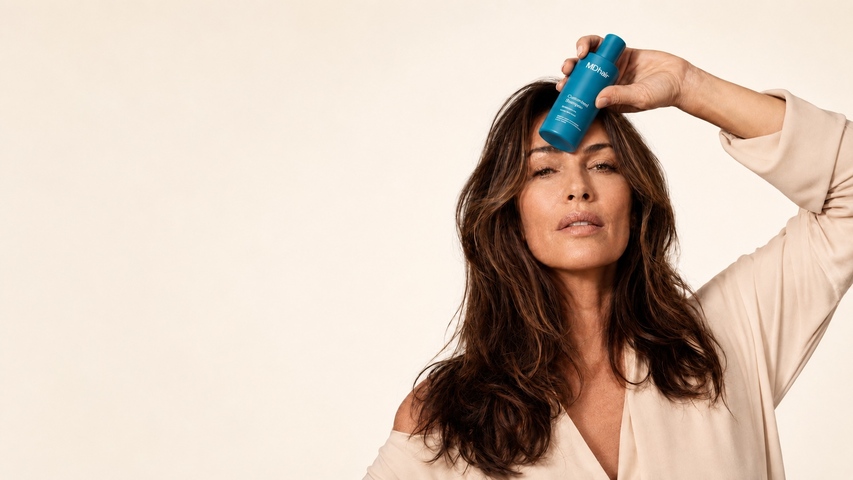
As the leaves change color and the air turns crisp, many people notice another less welcome seasonal shift: an increase in hair shedding. It's not just your imagination—seasonal hair shedding is a real phenomenon, with more hair loss occurring between September and November. But why does this happen, and what can be done about it? In this post, we'll explore the causes of seasonal hair shedding, including the role of the hair growth cycle, environmental factors, and even the influence of seasonal changes on hormone levels like testosterone.
The Hair Growth Cycle: A Key Player in Seasonal Shedding
To understand why hair shedding increases in the fall, it's essential first to understand the hair growth cycle. Hair goes through three main phases:
- Anagen (Growth Phase): This is the phase where hair actively grows. The anagen phase can last anywhere from two to seven years, depending on factors like genetics and overall health.
- Catagen (Transitional Phase): After the growth phase, hair enters a short transitional phase lasting about two weeks. During this time, hair growth slows down, and the hair follicle begins to shrink.
- Telogen (Resting Phase): The final phase of the cycle is the telogen phase, where hair rests before eventually shedding to make room for new hair. This phase lasts for about three months.
During late summer, a higher proportion of hair enters the telogen phase. This means that by the time September and October roll around, a larger amount of hair is ready to shed, leading to the noticeable increase in hair loss that many people experience during these months. This phenomenon is known as seasonal shedding and is a natural part of the hair growth cycle.
Environmental Factors: How Changing Seasons Affect Your Hair
In addition to the hair growth cycle, various environmental factors contribute to increased hair shedding in the fall. One of the most significant factors is sunlight exposure. During the summer months, longer days and more intense sunlight can prolong the anagen phase, promoting hair growth. However, as the days shorten in late summer and early fall, more hair enters the telogen phase, resulting in increased shedding.
Moreover, the transition from warm, humid summer weather to cooler, drier fall conditions can be stressful for your hair and scalp. The sudden change in temperature and humidity can lead to a dry, flaky scalp, which may contribute to hair shedding. Additionally, the stress of seasonal changes—such as adjusting to new routines, back-to-school schedules, or even the onset of holiday stress—can exacerbate hair loss during this time.
Hormonal Changes: The Role of Testosterone in Seasonal Shedding
Another factor that may influence seasonal hair shedding is the fluctuation of hormone levels throughout the year. While the relationship between hormones and hair loss is complex, there is evidence to suggest that testosterone levels—a hormone present in both men and women—can vary with the seasons.
Research indicates that testosterone levels tend to be higher in late summer and early fall and lower in the winter. This seasonal variation is likely influenced by several factors, including sunlight exposure, circadian rhythms, and lifestyle changes.
Sunlight Exposure and Hormonal Balance
Sunlight plays a crucial role in regulating various hormones, including testosterone. Increased exposure to sunlight in the summer boosts the production of Vitamin D, a nutrient closely linked to testosterone levels. As daylight decreases in the fall and winter, testosterone levels may naturally decline, which could contribute to seasonal hair shedding.
Circadian Rhythms and Seasonal Changes
The body's internal clock, or circadian rhythm, is also influenced by changes in daylight. Longer daylight hours in the summer can promote higher testosterone levels, while shorter days in the fall and winter may lead to lower levels. These subtle shifts in hormone levels can impact various physiological processes, including mood, energy levels, and hair growth cycles.
Lifestyle Factors
Seasonal changes in lifestyle, such as reduced physical activity and dietary changes, can also affect hormone levels. For example, people tend to be more physically active during the summer, which can help maintain higher testosterone levels. As activity levels decrease in the fall and winter, so too may testosterone levels, potentially contributing to increased hair shedding.
Is Seasonal Hair Shedding Permanent?
The good news is that seasonal hair shedding is usually temporary. Most people will notice their hair returning to its normal growth pattern as the fall months progress. However, it's essential to distinguish between seasonal shedding and other types of hair loss that may require medical attention.
If you notice that your hair shedding is severe, prolonged, or accompanied by other symptoms—such as thinning hair, bald patches, or a significant change in hair texture—it may be worth consulting with a dermatologist to rule out other underlying causes of hair loss.
Tips for Managing Seasonal Hair Shedding
While you can't completely prevent seasonal hair shedding, there are several steps you can take to minimize its impact:
-
Maintain a Healthy Diet: A balanced diet rich in vitamins and minerals, particularly those that support hair health (like biotin, iron, and Vitamin D), can help keep your hair strong and healthy.
-
Stay Hydrated: Keeping your scalp hydrated can help prevent dryness and flakiness, which may contribute to hair shedding.
-
Protect Your Hair from Environmental Stressors: Use a gentle shampoo and conditioner, and consider incorporating a moisturizing hair mask into your routine to combat dryness.
-
Manage Stress: Seasonal changes can be stressful, so it's essential to find ways to manage stress, whether through exercise, meditation or simply taking time for yourself.
-
Treat it: To protect your hair during the fall, it’s essential to use a gentle shampoo and conditioner, incorporate a moisturizing hair mask, and avoid harsh styling practices. Adding MDhair Restore supplements and hydrolyzed marine collagen peptides to your routine can be particularly beneficial, as they provide the essential building blocks needed for hair growth. Additionally, using DHT-blocking serums and shampoos can help counteract the effects of higher testosterone levels that often contribute to increased shedding in autumn.
Conclusion
Seasonal hair shedding is a natural process influenced by the hair growth cycle, environmental factors, and even hormonal changes. While it can be unsettling to notice more hair in your brush or shower drain during the fall months, rest assured that this type of hair loss is usually temporary. By understanding the factors that contribute to seasonal shedding and taking proactive steps to care for your hair, you can help minimize its impact and keep your locks looking their best all year round.
Q. What is seasonal hair shedding, and when does it typically occur?
A. Seasonal hair shedding is the increased hair loss that many people experience between September and November. This natural phenomenon occurs as more hair enters the telogen (resting) phase of the hair growth cycle, leading to more shedding. It’s most noticeable in the fall months but usually resolves on its own as the season progresses.
Q. Why does hair shedding increase during the fall?
A. Hair shedding increases in the fall due to the hair growth cycle and environmental changes. After summer, a higher proportion of hair enters the telogen phase, which leads to increased shedding. Additionally, the transition to cooler, drier weather can stress the hair and scalp, contributing to more noticeable hair loss.
Q. How does the hair growth cycle contribute to seasonal shedding?
A. The hair growth cycle has three phases: anagen (growth), catagen (transitional), and telogen (resting). During late summer, more hair shifts to the telogen phase, preparing to shed in the fall. This cycle is a natural process, and the increased shedding you see in autumn is simply a part of it.
Q. Can changes in sunlight exposure affect hair shedding?
A. Yes, changes in sunlight exposure can influence hair shedding. During the summer, more sunlight can prolong the anagen phase, promoting hair growth. However, as daylight decreases in fall, more hair enters the telogen phase, leading to increased shedding.
Q. What role do hormones play in seasonal hair shedding?
A. Hormonal changes, particularly fluctuations in testosterone levels, can contribute to seasonal hair shedding. Testosterone levels tend to be higher in late summer and early fall, which may lead to increased hair loss. These hormone shifts are influenced by factors like sunlight exposure and circadian rhythms.
Q. Is seasonal hair shedding permanent, or will my hair grow back?
A. Seasonal hair shedding is typically temporary, and most people will notice their hair returning to its normal growth pattern as fall progresses. However, if you experience severe or prolonged shedding, it’s advisable to consult a dermatologist to rule out other causes.
Q. How can I minimize the impact of seasonal hair shedding?
A. You can minimize the impact of seasonal hair shedding by maintaining a healthy diet, staying hydrated, and protecting your hair from environmental stressors. Incorporating MDhair Restore supplements and hydrolyzed marine collagen peptides can support hair health, while DHT-blocking products can help reduce shedding.
Q. What environmental factors contribute to hair shedding in the fall?
A. Environmental factors like reduced sunlight, cooler temperatures, and drier air can contribute to hair shedding in the fall. These changes can stress the scalp, leading to dryness and flakiness, which may exacerbate shedding.
Q. Can stress from seasonal changes affect hair shedding?
A. Yes, stress from seasonal changes, such as adjusting to new routines or holiday pressures, can worsen hair shedding. Managing stress through exercise, meditation, or self-care can help mitigate its impact on your hair.
Q. What products can help manage seasonal hair shedding?
A. To manage seasonal hair shedding, consider using gentle shampoos and conditioners and incorporate moisturizing hair masks into your routine. MDhair products, like DHT-blocking serums and Restore supplements, can help strengthen your hair and reduce shedding during the fall.
Shop now:
- Restore Supplements
- Marine Collagen
- Regrowth Serum (DHT-blocker)
- Regrowth Shampoo
Read More:
- Telogen Effluvium: Expert Tips and Strategies
- Hair Shedding vs. Hair Loss
- Does Stress Cause Hair Loss?
- Your Essential Fall Hair Routine
Find the most effective hair growth products for you by taking the free hair assessment.
Enjoyed this article? Add MDhair as a preferred source on Google.